

The human digestive system is far more than just a tube for processing food; it is a complex, bustling ecosystem known as the gut microbiome. Housing trillions of bacteria, fungi, and viruses, this inner universe dictates everything from nutrient absorption and immune function to mood regulation. For centuries, cultures around the world have intuitively understood the power of nourishing this system, a wisdom now being rigorously validated by modern scientific research.
Mapping the Universe Inside: Your Gut Microbiome
The gut microbiome, often referred to as the body’s “forgotten organ,” is a dynamic community of microorganisms residing primarily in the large intestine. Scientists estimate that these microbial residents outnumber human cells by a ratio of nearly 10-to-1, collectively weighing as much as a small brain. Maintaining diversity and balance within this internal landscape is paramount, as an imbalanced state, known as dysbiosis, is increasingly linked to chronic inflammatory conditions, metabolic disorders, and autoimmune responses.
Beyond simply aiding digestion, this microbial community performs essential functions that our own human genetics cannot. They specialize in breaking down complex carbohydrates and fibers, producing vital short-chain fatty acids (SCFAs) like butyrate, which fuel the colon cells and modulate systemic inflammation. Furthermore, the gut-brain axis, a bidirectional communication pathway, ensures that the health of this internal universe directly influences our mental well-being, mood, and cognitive function.
Probiotics and Prebiotics: The Seeds and the Soil
When discussing strategies for optimizing gut health, two terms are central: probiotics and prebiotics. Probiotics are live microorganisms that, when administered in adequate amounts, confer a health benefit on the host. These are the beneficial bacteria we actively ingest, often through supplements or fermented foods, to supplement or repopulate the existing colonies in our gut. They are transient helpers, temporarily setting up shop to assist with specific digestive and protective tasks.
Equally important, and often overlooked, are prebiotics. These are specialized types of non-digestible dietary fiber that pass through the upper GI tract and reach the colon intact, where they serve as selective food for the beneficial bacteria already residing there. If we view the gut as a thriving ecosystem, the probiotics are the new seeds we plant to introduce diversity, while the prebiotics are the rich, fertile soil and high-quality fertilizer that allows both the existing microbial flora and the newly introduced strains to flourish and thrive.
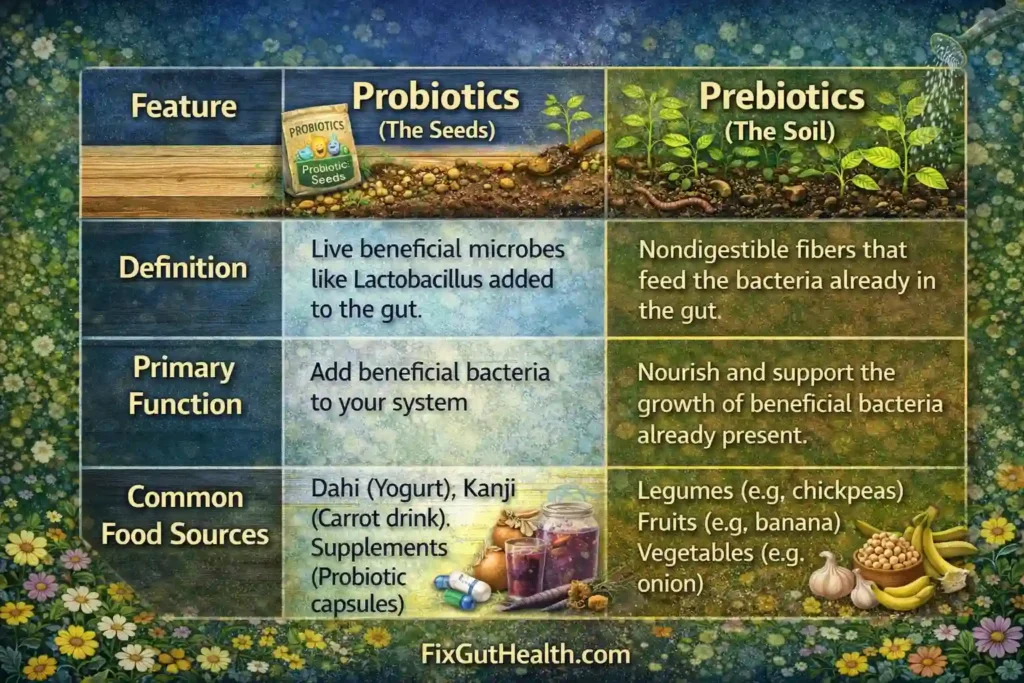

Tending the Inner Garden: A Biological Metaphor
The concept of tending the inner garden is perhaps the most useful biological metaphor for understanding long-term gut health. A healthy garden is characterized by biodiversity; similarly, a resilient gut microbiome requires a wide variety of microbial species to ensure stability and protection against disruption. This maintenance involves regularly “watering” the beneficial species with varied whole foods and ensuring a steady supply of prebiotic fibers to keep the environment hospitable and welcoming.
When the garden is neglected, or when poor dietary choices, excessive sugar, and chronic stress act as microbial “pesticides,” the environment becomes conducive to weeds—the opportunistic, pathogenic bacteria. This state of dysbiosis means the harmful microbes are outcompeting the beneficial ones for space and resources. Just as a weed-choked garden yields little fruit, a dysbiotic gut is inefficient at nutrient extraction, struggles with inflammation control, and fails to maintain a strong intestinal barrier.
Dahi and Kanji: Ancient Fermentation for Modern Guts
Traditional Indian cuisine offers profound examples of how ancient wisdom naturally incorporated these probiotic principles into daily life. Dahi, or homemade curd/yogurt, is perhaps the most ubiquitous example found across the subcontinent. Created by inoculating milk with starter cultures (often Lactobacillus species), Dahi provides a readily available, potent source of probiotics that aids in lactose digestion and replenishes beneficial flora, especially vital during or following periods of illness or antibiotic use. Its routine consumption wasn’t just a culinary tradition; it was foundational preventative medicine.
A less common but equally powerful fermented food is Kanji, a traditional North Indian winter drink typically made from black carrots (rich in anthocyanins and fiber) and seasoned with mustard seeds. Kanji is unique because it serves both as a probiotic source (due to the natural lactic acid fermentation) and an exceptional prebiotic source (due to the high fiber content of the carrots). This synergy ensures that the beneficial organisms introduced are immediately provided with their preferred fuel source—a perfect example of simultaneously planting the seeds and enriching the soil in a single, healthful preparation.
Cultivating Wellness: Diet as the Gardener’s Tool
Ultimately, the most effective tool for managing the gut microbiome is the daily diet, acting as the gardener’s primary instrument. While targeted supplements can play an important role in specific scenarios, true, lasting gut health is cultivated through consistency and diversity in food intake. Focusing solely on probiotic pills without providing the necessary prebiotic fiber is like trying to grow a forest by scattering seeds onto barren rock—the results will be transient at best, failing to establish a robust, permanent ecosystem.
The lesson derived from traditions like Dahi and Kanji, now thoroughly validated by modern science, is that we must shift our focus from quick fixes to consistently supporting internal vitality. By consciously choosing diverse plant fibers (prebiotics found abundantly in legumes, onions, garlic, bananas, and oats) and regularly integrating traditionally fermented foods (probiotics), we ensure that our inner garden remains balanced, resilient, and capable of fostering long-term physical and mental wellness.
The science of the gut microbiome confirms what traditional food systems have practiced for millennia: health starts from within. By embracing the principles of the garden analogy—feeding the soil (prebiotics) and planting beneficial seeds (probiotics like Dahi and Kanji)—we move beyond merely treating symptoms. We instead engage in the profound, daily practice of cultivating a resilient and balanced inner ecosystem, securing our path to holistic well-being.
What is the difference between Probiotics and Prebiotics?
Probiotics are live beneficial bacteria (seeds), while prebiotics are non-digestible fibers that feed those bacteria (soil).
How long does it take for a gut reset to work?
While individual results vary, consistent habit changes typically begin to influence the microbiome within 2 to 4 weeks.
Are traditional Indian foods like Dahi effective probiotics?
Yes, traditionally fermented foods like Dahi and Kanji are potent, natural sources of probiotics and prebiotics that support digestive balance.
Leave a Reply Cancel reply